
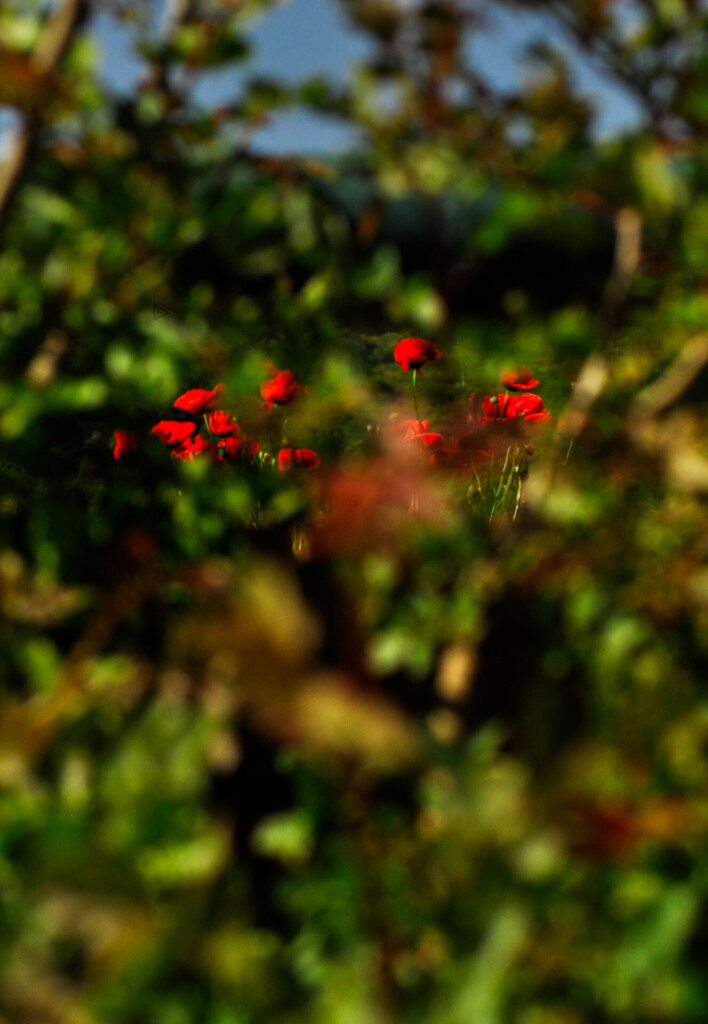
Wild Red Poppy Flowers
Few wildflowers command attention quite like the wild red poppy. Scattered across fields and meadows each spring, these vivid blooms emerge almost overnight fragile, fleeting, and impossibly vibrant against the green. This photograph captures a cluster of wild red poppies framed by soft, blurred foliage, creating a painterly composition that feels both intimate and expansive. The poppy has long been a symbol of resilience and natural beauty, and in moments like this, it’s easy to understand why.
May 2026. A very fresh photo, indeed. From my Heybeliada walk. I did the full island tour. Of course, by walking and taking photos. It was incredibly good for me. A bit tiring, but definitely worth it! Do you like nature walks?
The Origins of the Red Poppy Flower
The red poppy (Papaver rhoeas) is an annual flowering plant belonging to the Papaveraceae family. Native to Europe, Western Asia, and North Africa, it has spread naturally to many temperate regions around the world. Commonly found in grain fields, meadows, roadsides, and open landscapes, the red poppy has flourished alongside agriculture for thousands of years and has become one of the most recognizable symbols of spring and early summer.
Despite its delicate, paper-like petals, the red poppy is a resilient wildflower that thrives in disturbed soils. It typically blooms from late spring to early summer, producing vivid scarlet flowers with a distinctive dark center that attracts bees and other pollinators. Although each bloom lasts only a short time, the plant produces abundant seeds, ensuring its continued presence in natural ecosystems. Today, the red poppy is admired not only for its striking beauty but also for its ecological importance in supporting biodiversity.
BE